
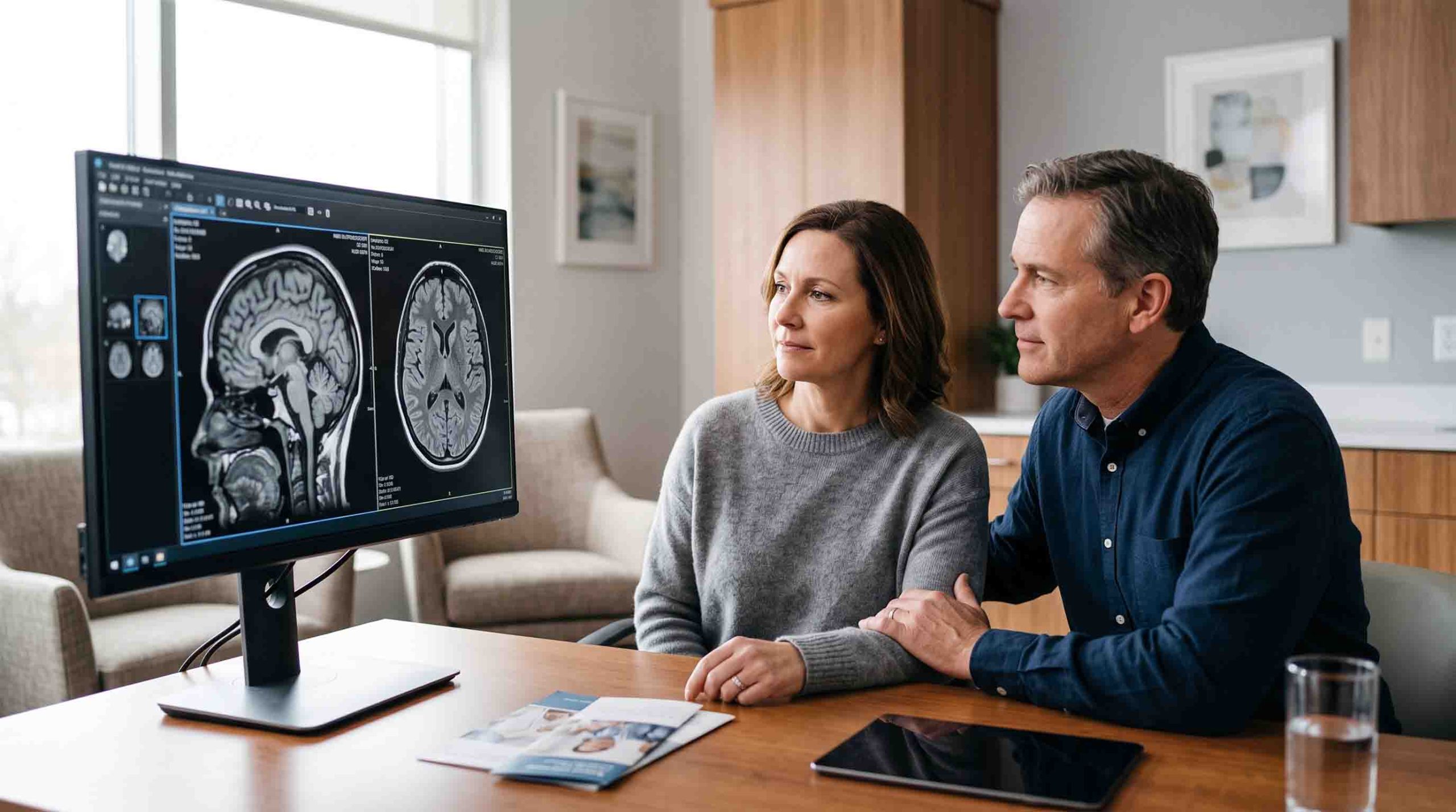
Choosing a neurosurgeon is one of the most important healthcare decisions you’ll ever make. The stakes are high, and the complexity of neurosurgical procedures demands exceptional skill and experience. Whether you’re facing brain surgery, spinal surgery, or treatment for a neurological condition, selecting the right neurosurgery specialist can significantly impact your outcome and recovery.
At the Institute of General and Endovascular Neurosurgery in Flint, Michigan, we understand the anxiety and uncertainty that comes with needing neurosurgical care. This guide provides practical insights to help you make an informed decision about your neurosurgical care.
What Credentials Should Your Neurosurgeon Have?
Board certification is the foundation of neurosurgical competency. A qualified neurosurgeon must be certified by the American Board of Neurological Surgery (ABNS) or equivalent international boards. This certification requires completion of medical school, a neurosurgical residency (typically seven years), and passing comprehensive examinations.
Additionally, many neurosurgeons pursue fellowship training in subspecialties such as:
- Endovascular neurosurgery
- Spinal surgery
- Paediatric neurosurgery
- Functional neurosurgery
- Neuro-oncology
- Cerebrovascular surgery
Verify credentials through the American Board of Medical Specialties website or your state medical board. Hospital privileges at accredited medical centres also indicate that the surgeon has met rigorous standards for quality and safety.
How Important Is Experience in Neurosurgery?
Experience directly correlates with surgical outcomes in neurosurgery. Research consistently demonstrates that surgeons who perform higher volumes of specific procedures have better patient outcomes, fewer complications, and lower mortality rates.
When evaluating a neurosurgeon’s experience, consider:
- Total years in practice
- Number of procedures performed annually
- Specific experience with your condition
- Outcomes data and complication rates
- Involvement in clinical research and continuing education
Don’t hesitate to ask about case volumes. Experienced neurosurgeons are typically transparent about their experience and outcomes.

What Questions Should You Ask Your Neurosurgeon?
Preparing specific questions ensures you gather essential information during your consultation. Key questions include:
About Your Condition:
- What exactly is my diagnosis?
- What are my treatment options, including non-surgical alternatives?
- What happens if I don’t have surgery?
- How urgent is my situation?
About the Surgery:
- How many of these procedures do you perform annually?
- What is your complication rate for this procedure?
- What are the potential risks and benefits?
- How long is the recovery period?
- What will my quality of life be like after surgery?
About the Surgeon:
- What is your subspecialty training?
- Are you board-certified?
- Which hospitals do you operate at?
- Who will assist during surgery?
How Do You Evaluate Communication and Bedside Manner?
Effective communication is crucial in neurosurgery. Your surgeon should explain complex medical concepts in understandable terms, listen to your concerns, and respect your questions. Pay attention to:
- Whether the surgeon takes time to explain your condition thoroughly
- How they respond to questions and concerns
- If they involve you in treatment decisions
- Whether they discuss risks honestly
- How their staff treats you
- Response time for returning calls or messages
A good neurosurgeon balances confidence with empathy, providing realistic expectations while offering hope and support.
What Role Does Hospital Quality Play?
The hospital where your surgery takes place significantly impacts your outcome. High-quality hospitals typically have:
- Advanced imaging and surgical technology
- Experienced nursing staff specialised in neurosurgical care
- 24/7 neurocritical care capabilities
- Comprehensive rehabilitation services
- Lower infection rates and better outcomes data
Research hospital ratings through organisations like The Joint Commission and Leapfrog Group. Academic medical centres and hospitals designated as Comprehensive Stroke Centres or Level I Trauma Centres often have additional resources for complex neurosurgical cases.
Should You Seek a Second Opinion?
Seeking a second opinion is standard practice in neurosurgery, especially for complex conditions or major procedures. Most neurosurgeons encourage second opinions and won’t be offended by your request.
A second opinion is particularly valuable when:
- Surgery is elective rather than emergency
- Multiple treatment options exist
- The diagnosis is rare or complex
- You have concerns about the recommended approach
- The surgery carries significant risks
Many insurance plans cover second opinions, recognising their value in ensuring appropriate care.
How Do You Research Neurosurgeons in Flint, Michigan?
Start your search by:
Getting Referrals:
- Ask your primary care physician or neurologist
- Contact your insurance company for covered providers
- Seek recommendations from other healthcare professionals
- Connect with patient support groups for your condition
Online Research:
- Check state medical board websites for licensing and disciplinary actions
- Review hospital websites for surgeon profiles and credentials
- Read patient reviews, but focus on patterns rather than individual complaints
- Look for involvement in professional organisations and research
Professional Networks:
- American Association of Neurological Surgeons (AANS) member directory
- Congress of Neurological Surgeons (CNS) member listings
- Subspecialty society memberships
What Red Flags Should You Watch For?
Certain warning signs suggest you should look elsewhere:
- Unwillingness to answer questions or provide outcome data
- Pressure to schedule surgery immediately (unless it’s a true emergency)
- Lack of board certification
- History of disciplinary actions or malpractice claims
- Promises of unrealistic outcomes
- Poor communication from office staff
- Outdated facilities or equipment
- Reluctance to provide references or second opinion consultations
Trust your instincts. If something doesn’t feel right, continue your search.
How Do Costs and Insurance Factor Into Your Decision?
While cost shouldn’t be the primary factor in choosing a neurosurgeon, it’s a practical consideration:
Insurance Coverage:
- Verify the surgeon is in your insurance network
- Understand your out-of-pocket responsibilities
- Check if the hospital is also covered
- Confirm coverage for necessary follow-up care
Quality vs. Cost:
- Higher costs don’t always mean better care
- Consider the total cost of care, including potential complications
- Factor in travel and accommodation costs for out-of-area specialists
- Evaluate the long-term value of quality care

Making Your Final Decision
After gathering information and meeting with potential surgeons, trust your judgment. The right neurosurgeon combines:
- Appropriate credentials and experience
- Clear communication and empathy
- Hospital privileges at quality facilities
- Transparent discussion of risks and outcomes
- Alignment with your values and preferences
- Practical considerations like location and insurance coverage
Remember that the “best” neurosurgeon is the one who’s best for your specific situation and needs.
Choosing a neurosurgeon: frequently asked questions
How long should I expect to wait for a neurosurgery consultation?
Can I change neurosurgeons after starting treatment?
Do I need a referral to see a neurosurgeon?
What’s the difference between a neurologist and a neurosurgeon?
Should I choose a general neurosurgeon or a specialist?
You’ve done the research. Now have the conversation.
The right neurosurgeon becomes clear when you sit down and talk. Dr. Shah-Naz Khan, MD, FRCSC, FAANS reviews every case personally, answers questions in plain language, and gives you honest next steps. And if you’ve already met with a surgeon and something still feels unsettled, a second opinion is a reasonable move, not an overreaction.
- Call or send the contact form. No referral yet? Reach out anyway and the team will advise your best next step.
- Bring your questions from this article, along with any MRI or CT imaging you already have.
- Meet Dr. Khan for a personal review and a clear explanation of your options.