
When Neck Pain Would Not Go Away

For years, Juan experienced neck pain about once a year. It would flare up, cause discomfort, then gradually settle. At the time, he did not realise these episodes were likely related to a developing pinched nerve in the neck.
This time was different.
The pain persisted for months. It began in his neck and travelled down into his arms. Simple daily activities became difficult. The discomfort was no longer temporary, and it was not responding the way it had in the past.
He was referred to Dr Shah-Naz Khan for further evaluation.
Understanding the Cause
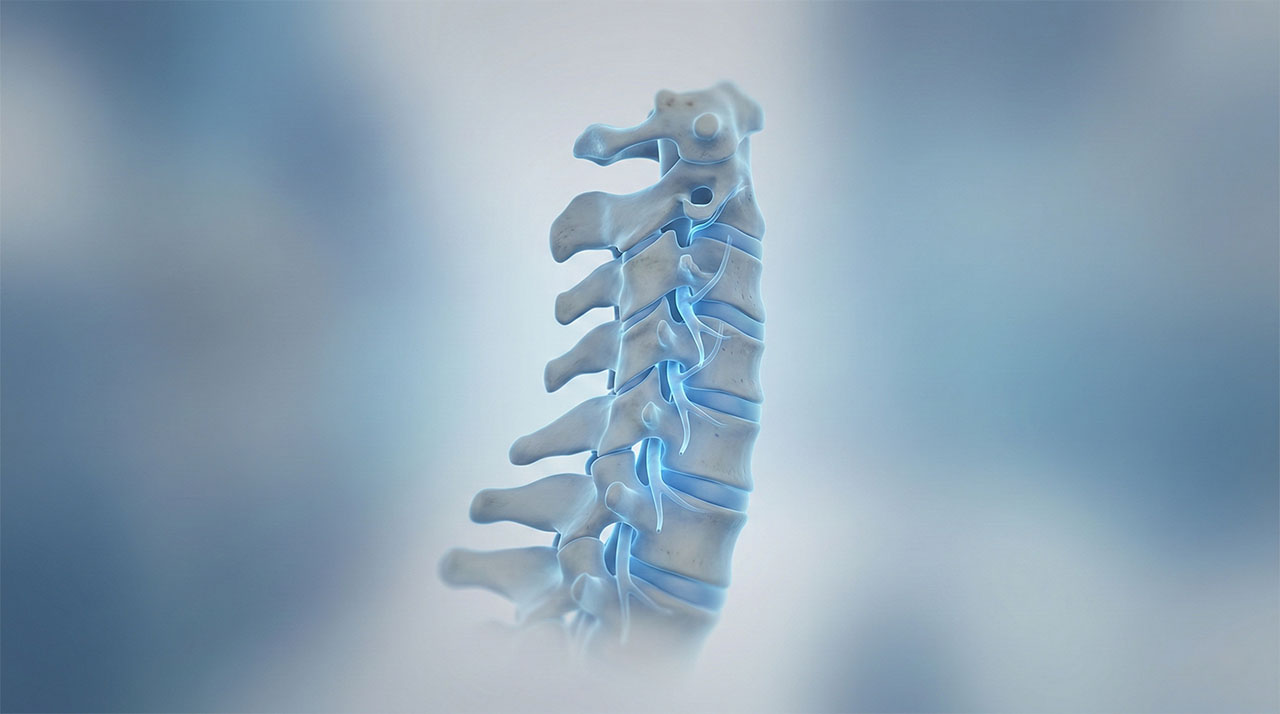
After clinical assessment and imaging, tests showed degenerative changes in Juan’s cervical spine. These age-related changes were narrowing the spaces where nerves exit the spine, causing nerve compression, often referred to as a “pinched nerve.”
When nerves in the neck are compressed, symptoms can include:
- Neck pain
- Pain radiating into the arms
- Numbness or tingling
- Weakness in the hands
This condition is commonly known as cervical radiculopathy.
Juan’s symptoms were consistent with this diagnosis.
Starting with Conservative Treatment
Surgery is not always the first step.
Juan began with conservative management, including medication, physiotherapy, and other non-surgical treatments. Many patients improve with these measures, and careful monitoring is important.
Despite several months of treatment, his symptoms continued to affect his quality of life.
Considering Surgery
After reviewing all options and discussing the potential benefits and risks, Juan initially chose to continue with non-surgical treatment.
However, when his pain did not improve and imaging confirmed ongoing nerve compression, he decided to proceed with surgery.
The goal of cervical spine surgery in cases like Juan’s is to relieve pressure on the affected nerve and stabilise the spine where necessary.
The Outcome
Juan noticed a significant difference shortly after surgery. The severe arm pain that had troubled him for months had resolved, and his recovery progressed well.
Follow-up care focused on healing, mobility, and returning safely to normal activities.
While every patient’s experience is unique, relieving nerve compression can provide meaningful improvement when conservative treatment is no longer effective.
Understanding Cervical Radiculopathy
Cervical radiculopathy occurs when a nerve in the neck becomes compressed or irritated. It is often caused by degenerative changes in the spine, such as disc bulging or bone spurs.
Treatment depends on:
- Severity of symptoms
- Duration of pain
- Imaging findings
- Response to non-surgical treatment
Many patients improve without surgery. For others, a surgical procedure to relieve nerve pressure may be recommended.
When to Seek Specialist Advice
If neck pain radiates into your arm, causes weakness, or persists despite treatment, further evaluation may be appropriate.
Early assessment can help determine whether conservative care or surgical treatment is the safest and most effective option.
Persistent neck pain or arm symptoms?
If you are experiencing neck pain that travels into the arm, causes numbness, tingling, or weakness, and has not improved with conservative treatment, further evaluation may be appropriate. A specialist assessment can help determine whether continued non-surgical care or surgical treatment is the safest next step.
Learn About Cervical Spine TreatmentIndividual treatment decisions depend on imaging findings, symptom severity, and overall health.
Cervical Radiculopathy FAQs
What causes a pinched nerve in the neck?
A pinched nerve in the neck is often caused by age-related degenerative changes in the cervical spine. Disc bulging, bone spurs, or narrowing of the spinal canal can compress nearby nerves, leading to pain that may travel into the arm.
When is surgery considered for cervical radiculopathy?
Surgery may be considered when symptoms persist despite conservative treatment such as medication and physiotherapy, or when imaging confirms ongoing nerve compression causing significant pain, weakness, or functional limitation.
Can neck pain radiate into the arm?
Yes. When a nerve in the cervical spine is compressed, pain can travel from the neck into the shoulder, arm, or hand. Some patients also experience numbness, tingling, or weakness.