
Understanding Brain Aneurysm vs Stroke: Two Critical Brain Emergencies
When it comes to emergency brain conditions, there may be confusion between brain aneurysms and strokes. Both conditions affect the brain’s blood vessels and require immediate medical attention, yet they have distinct causes, symptoms, and treatment approaches.
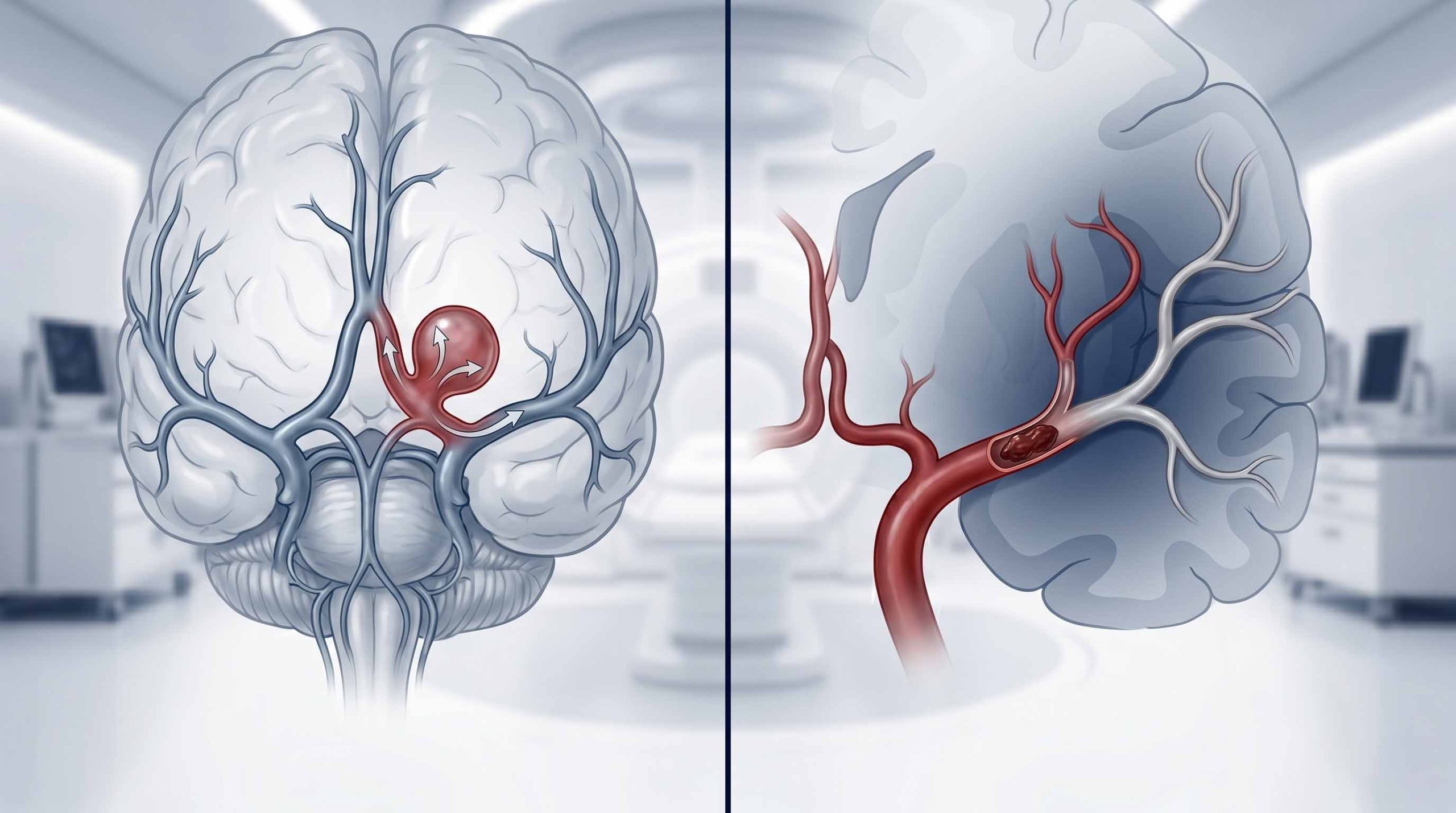
The key difference lies in what happens to your blood vessels: a stroke occurs when blood flow to brain tissue is blocked or when a vessel bursts, while a brain aneurysm is a weakened, bulging area in an artery wall that may or may not rupture.
What Is a Brain Aneurysm?
A brain aneurysm is a balloon-like bulge in the wall of a blood vessel in the brain. Think of it as a weak spot in a garden hose that creates a bubble when water pressure builds up. Most brain aneurysms develop at the base of the brain where arteries branch and split, creating natural stress points.
Unruptured aneurysms often cause no symptoms and may go undetected for years. However, when an aneurysm ruptures, it causes a subarachnoid haemorrhage—bleeding into the space around the brain—which is immediately life-threatening.
Types of Brain Aneurysms
• Saccular aneurysms: The most common type, appearing as a round sac attached to the artery
• Fusiform aneurysms: Cause the entire circumference of the artery to bulge outward
• Mycotic aneurysms: Caused by infection weakening the artery wall
What Is a Stroke?
A stroke occurs when blood supply to part of the brain is interrupted or reduced, preventing brain tissue from receiving oxygen and nutrients. Brain cells begin dying within minutes, making stroke a true medical emergency.
There are two main types of stroke, each with different underlying mechanisms and treatment approaches.
Ischaemic Stroke
Ischaemic strokes account for the majority of all strokes. They occur when a blood clot blocks an artery supplying blood to the brain. The clot may form in the brain’s arteries (thrombotic stroke) or travel from elsewhere in the body (embolic stroke).
Haemorrhagic Stroke
Haemorrhagic strokes happen when a blood vessel in the brain bursts, causing bleeding into or around the brain. This type includes intracerebral haemorrhage (bleeding within the brain tissue) and subarachnoid haemorrhage (bleeding around the brain).
How to Recognise Brain Aneurysm Symptoms
Brain aneurysm symptoms vary dramatically depending on whether the aneurysm has ruptured or remains intact.
Unruptured Aneurysm Warning Signs
Most unruptured aneurysms produce no symptoms, but larger ones may cause:
• Severe headaches that differ from your normal headache pattern
• Pain above and behind one eye
• Vision changes or double vision
• Numbness or weakness on one side of the face
• Dilated pupils
• Drooping eyelid
Ruptured Aneurysm Emergency Symptoms
A ruptured brain aneurysm creates unmistakable symptoms that demand immediate emergency care:
• Sudden, severe headache: Often described as “the worst headache of my life”
• Neck stiffness and pain
• Nausea and vomiting
• Sensitivity to light
• Loss of consciousness
• Confusion or altered mental state
• Seizures
• Sudden weakness or numbness
How to Recognise Stroke Symptoms
Stroke symptoms typically develop suddenly and affect one side of the body. The FAST method helps identify stroke symptoms quickly:
The FAST Test for Stroke Recognition
• Face: Ask the person to smile. Does one side of the face droop?
• Arms: Ask them to raise both arms. Does one arm drift downward?
• Speech: Ask them to repeat a simple phrase. Is speech slurred or strange?
• Time: If you observe any of these signs, call emergency services immediately
Additional Stroke Warning Signs
• Sudden confusion or trouble understanding speech
• Sudden trouble seeing in one or both eyes
• Sudden trouble walking, dizziness, or loss of coordination
• Sudden severe headache with no known cause
• Sudden numbness or weakness, especially on one side of the body
Stroke vs Aneurysm: Key Differences in Symptoms
While both conditions can cause severe headaches and neurological symptoms, several key differences help distinguish between them:
Onset Pattern
• Aneurysm rupture: Symptoms appear instantly and at maximum intensity
• Stroke: Symptoms may develop suddenly but can also progress gradually over minutes to hours
Headache Characteristics
• Aneurysm: Often described as “thunderclap” headache—the worst headache ever experienced, reaching peak intensity within seconds
• Stroke: Headache may be severe but rarely described with the same dramatic intensity
Associated Symptoms
• Aneurysm: More likely to cause neck stiffness, light sensitivity, and loss of consciousness
• Stroke: More likely to cause one-sided weakness, speech problems, and vision changes
What Causes Brain Aneurysms?
Brain aneurysms develop due to a combination of genetic and lifestyle factors that weaken artery walls over time.
Risk Factors You Cannot Control
• Age: Risk increases after age 40
• Gender: Women develop aneurysms more frequently than men
• Family history: Having a first-degree relative with an aneurysm increases risk
• Genetic disorders: Conditions like polycystic kidney disease and connective tissue disorders
• Previous aneurysm: Having one aneurysm increases the likelihood of developing others
Risk Factors You Can Control
• High blood pressure: The leading modifiable risk factor
• Smoking: Significantly increases aneurysm formation and rupture risk
• Drug use: Particularly cocaine and amphetamines
• Excessive alcohol consumption
• Head trauma
What Causes Strokes?
Stroke causes differ between ischaemic and haemorrhagic types, but many risk factors overlap.
Ischaemic Stroke Causes
• Atherosclerosis: Plaque buildup in arteries
• Blood clots: From the heart or other parts of the body
• Small vessel disease: Damage to tiny arteries in the brain
Haemorrhagic Stroke Causes
• High blood pressure: The most common cause
• Aneurysms: When they rupture
• Arteriovenous malformations: Abnormal tangles of blood vessels
• Blood-thinning medications: Can increase bleeding risk
Emergency Treatment: What Happens Next?
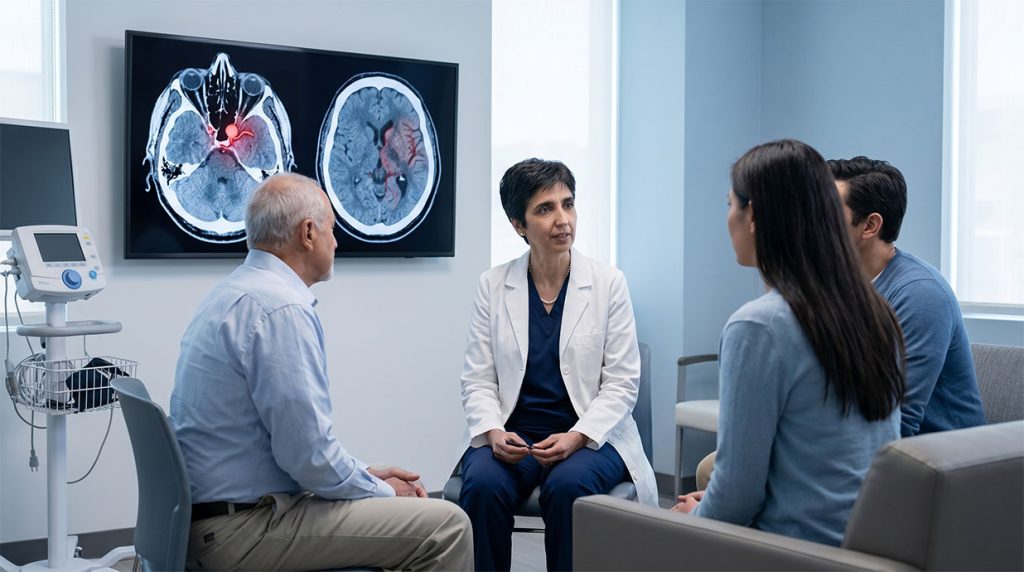
Both brain aneurysms and strokes require immediate medical intervention, but treatment approaches differ significantly.
Brain Aneurysm Treatment
For unruptured aneurysms, treatment depends on size, location, and rupture risk:
• Monitoring: Small, low-risk aneurysms may be observed with regular imaging
• Endovascular coiling: Inserting platinum coils through a catheter to seal the aneurysm
• Surgical clipping: Placing a metal clip across the aneurysm neck during open surgery
• Flow diversion: Using specialized stents to redirect blood flow away from the aneurysm
Ruptured aneurysms require emergency intervention to stop bleeding and prevent rebleeding.
Stroke Treatment
Ischaemic Stroke Treatment:
• Clot-busting medication: Tissue plasminogen activator (tPA) or a similar drug must be given within hours of symptom onset
• Mechanical thrombectomy: Removing clots with specialized devices
• Blood thinners: To prevent further clotting
Haemorrhagic Stroke Treatment:
• Blood pressure control: Reducing pressure to limit further bleeding
• Surgical intervention: May be needed to relieve pressure or repair damaged vessels
• Reversing blood thinners: If medications contributed to the bleeding
When to Seek Immediate Medical Attention
Both conditions require emergency medical care, but certain symptoms demand immediate action:
Call Emergency Services Immediately If You Experience:
• Sudden, severe headache unlike any you’ve had before
• Sudden weakness or numbness on one side of your body
• Sudden confusion or trouble speaking or understanding speech
• Sudden trouble seeing in one or both eyes
• Sudden trouble walking, dizziness, or loss of coordination
• Loss of consciousness
• Seizures
• Severe neck stiffness with headache
Prevention: Reducing Your Risk
While you cannot control all risk factors, several lifestyle modifications significantly reduce your risk of both conditions:
Blood Pressure Management
Maintaining healthy blood pressure is the single most important step for preventing both aneurysms and strokes. Regular monitoring and medication compliance when prescribed are essential.
Lifestyle Modifications
• Stop smoking: This single change dramatically reduces risk for both conditions
• Limit alcohol consumption: Moderate intake only
• Regular exercise: Improves cardiovascular health and blood pressure control
• Healthy diet: Focus on fruits, vegetables, whole grains, and lean proteins
• Maintain healthy weight: Reduces strain on blood vessels
• Manage stress: Chronic stress contributes to high blood pressure
Medical Management
• Take prescribed medications as directed
• Regular check-ups with your healthcare provider
• Monitor and manage diabetes if present
• Address sleep apnoea if diagnosed
• Manage cholesterol levels
Recovery and Long-Term Outlook
Recovery prospects differ significantly between brain aneurysms and strokes, depending on the severity and treatment timing.
Brain Aneurysm Recovery
Unruptured aneurysms that are successfully treated often have excellent outcomes with minimal long-term effects. Ruptured aneurysms have more variable outcomes, with recovery depending on:
• Amount of bleeding that occurred
• Location of the aneurysm
• Speed of treatment
• Development of complications
Stroke Recovery
Stroke recovery varies widely and may involve:
• Physical therapy: To regain strength and coordination
• Speech therapy: For communication difficulties
• Occupational therapy: To relearn daily activities
• Cognitive rehabilitation: For thinking and memory problems
Early treatment significantly improves outcomes for both conditions, emphasising the importance of recognising symptoms and seeking immediate medical attention.
The Role of Advanced Neurosurgical Care
At the Institute of General and Endovascular Neurosurgery, we utilise cutting-edge techniques for treating both brain aneurysms and stroke-related conditions. Our endovascular approach allows us to treat many conditions through minimally invasive procedures, reducing recovery time and improving outcomes.
Advanced Treatment Options Available
• Flow diversion technology: For complex aneurysms
• Mechanical thrombectomy: For large vessel stroke
• Pipeline embolisation devices: For wide-necked aneurysms
• Stent-assisted coiling: For challenging aneurysm configurations
Our team works closely with emergency departments throughout the Flint area to ensure patients receive rapid, appropriate treatment when every minute counts.
Frequently Asked Questions
u003cstrongu003eCan you have both a brain aneurysm and a stroke?u003c/strongu003e
Yes, it’s possible to have both conditions, either simultaneously or at different times. A ruptured aneurysm can cause a haemorrhagic stroke, and people with vascular risk factors may develop both conditions independently.
u003cstrongu003eHow quickly do brain aneurysm symptoms develop?u003c/strongu003e
Unruptured aneurysms may cause gradually worsening symptoms or no symptoms at all. When an aneurysm ruptures, symptoms appear instantly and reach maximum intensity within seconds to minutes.
u003cstrongu003eAre brain aneurysms always fatal?u003c/strongu003e
No, brain aneurysms are not always fatal. Many people live with small, unruptured aneurysms that never cause problems. However, ruptured aneurysms are serious medical emergencies with significant mortality risk if not treated promptly.
u003cstrongu003eWhat’s the difference between a mini-stroke and a full stroke?u003c/strongu003e
A mini-stroke (transient ischaemic attack or TIA) causes temporary symptoms that resolve completely, usually within 24 hours. A full stroke causes permanent brain damage. Both require immediate medical attention as TIAs often precede major strokes.
u003cstrongu003eCan stress cause a brain aneurysm to rupture?u003c/strongu003e
While stress alone doesn’t typically cause aneurysm rupture, it can contribute by raising blood pressure. Sudden, extreme physical or emotional stress combined with other risk factors may increase rupture risk in vulnerable individuals. Recognising the differences between brain aneurysms and strokes can be life-saving. When in doubt, seek emergency medical care immediately. Both conditions benefit significantly from rapid, expert treatment, and early intervention often determines the difference between full recovery and lasting disability.