
Spine Disorders
Spine Disorders
Spine disorders affect the bones, discs, joints, and nerves of the neck, back, and spine. These conditions can cause pain, weakness, numbness, or limitations in movement that impact daily activities and quality of life.
At the Institute of General & Endovascular Neurosurgery, spine care is guided by careful diagnosis, detailed imaging, and a clear understanding of how symptoms relate to underlying structural or nerve-related issues.
Each patient is assessed individually to determine the most appropriate path forward. This may include conservative management, targeted interventions, or surgery when clearly indicated, with the goal of restoring function and reducing long-term discomfort.
Care is focused on clarity, safety, and long-term outcomes, not quick fixes.
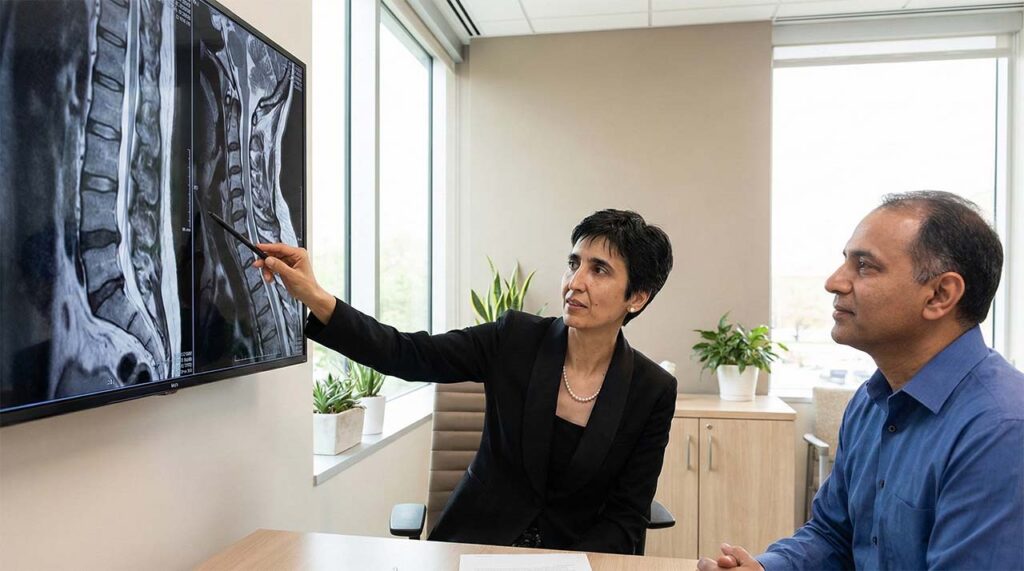
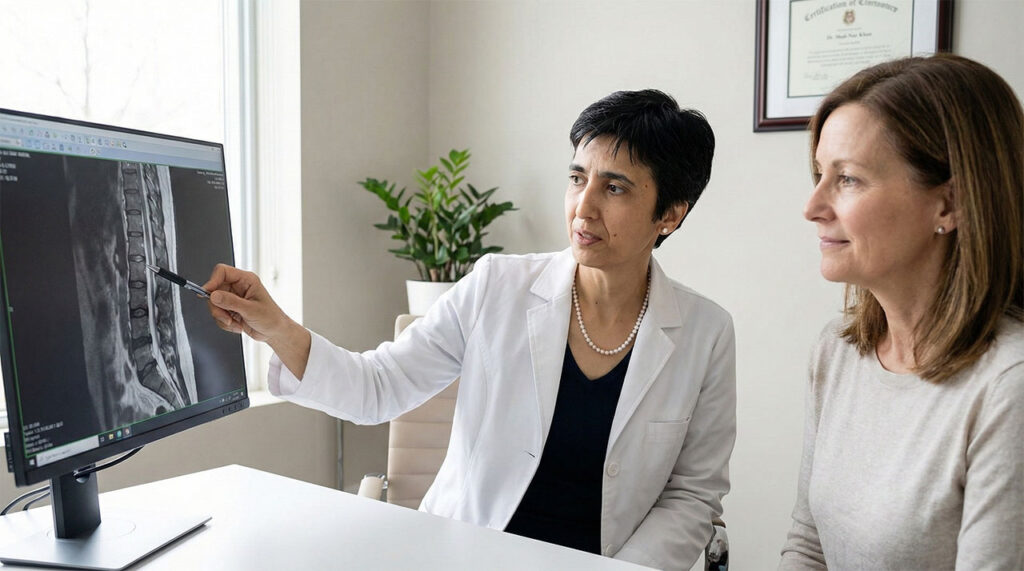
Specialist Spine Care, From Assessment to Treatment
Conditions affecting the spine can cause pain, weakness, numbness, or limitations in daily movement. Care begins with a careful assessment of symptoms, medical history, and high-quality imaging to understand the underlying cause.
When treatment is required, options are discussed clearly and thoughtfully, with a focus on relieving symptoms, protecting nerve function, and restoring mobility. Many spine conditions can be managed without surgery, and treatment decisions are always guided by safety, evidence, and long-term outcomes.
What This Means for You
- Specialist-led assessment of spine and nerve conditions
- Clear explanation of imaging findings and diagnosis
- Thoughtful discussion of non-surgical and surgical options
- are focused on pain relief, function, and long-term stability
Common Conditions and
When to Seek Help
Spine disorders can affect movement, comfort, and nerve function. Care starts with a careful history and exam, supported by high-quality imaging. Many conditions improve without surgery, and treatment is matched to your symptoms, goals, and overall health.
Conditions Commonly Assessed
- Disc herniation and nerve compression
- Spinal stenosis (narrowing of the canal)
- Degenerative disc and facet joint disease
- Sciatica and radiculopathy
- Spine fractures and compression fractures
- Spinal instability and spondylolisthesis
Symptoms That May Prompt Review
- Persistent neck or back pain affecting daily life
- Pain radiating into an arm or leg (sciatica)
- Numbness, tingling, or weakness in the limbs
- Difficulty walking, balance changes, or leg heaviness
- Pain that worsens with standing or improves when sitting
- New symptoms after a fall, injury, or accident
How Spine Care Is Delivered
Spine conditions are managed through a structured, step-by-step process that prioritises accurate diagnosis, symptom relief, and long-term function. Each stage is designed to ensure care is appropriate, coordinated, and tailored to the individual rather than rushed toward surgery.
01
Initial Referral and Imaging Review
Referral information, prior imaging, and medical history are reviewed to understand the source of spinal pain or neurological symptoms. This early assessment helps determine urgency, identify red flags, and clarify whether specialist spine consultation is required.
02
Comprehensive Spine Consultation
A detailed consultation focuses on symptoms, physical examination findings, and imaging correlation. Time is taken to explain what the scans show, how they relate to symptoms, and whether the condition is best managed conservatively or with procedural intervention.
03
Individualized Treatment Strategy
Where treatment is needed, a personalized plan is developed based on diagnosis, symptom severity, and lifestyle goals. Options may include observation, targeted injections, minimally invasive techniques, or surgery, with a strong emphasis on choosing the least invasive effective approach.
04
Ongoing Monitoring and Follow-Up Care
Follow-up care ensures symptoms, recovery, and function are monitored over time. Coordination with referring doctors and allied health providers supports continuity of care, long-term spine health, and timely adjustment of the treatment plan if symptoms change.
What Sets Our Spine Care Apart
Care for spine conditions is delivered with a strong focus on accuracy, safety, and long-term function. Every recommendation is guided by clinical evidence, specialist experience, and a commitment to helping patients return to daily life with confidence and clarity.
Care for Patients and Families
Treatment planning considers pain control, mobility, recovery time, and the impact spine conditions can have on work and family life. Decisions are made collaboratively, ensuring patients and families feel informed, supported, and confident at every stage.
Measurable Outcomes
Care is focused on achieving meaningful improvements in pain, function, and quality of life. Progress is monitored carefully, with clear goals and ongoing assessment to ensure treatment remains appropriate and responsive to change.
Specialist Spine Technology
Advanced imaging and minimally invasive spine technologies are used where appropriate. These tools support precision, limit disruption to surrounding tissue, and help tailor treatment to each patient’s condition.
Clear and Predictable Costs
Fees and billing processes are explained clearly from the outset. Transparency around hospital, procedural, and specialist costs helps patients plan with confidence and avoid unexpected financial stress during treatment.






Expertise You Can Trust for Complex Neurological Care
Comprehensive Brain and Spine Care
Specialized evaluation and treatment for complex neurological conditions affecting the brain and spine.
Coordinated, Patient-Focused Care
Clear guidance and continuity of care from consultation through treatment and follow-up.
Clear Communication and Planning
Thoughtful discussions that help patients understand options and make informed decisions.

Advanced Surgical and Endovascular Expertise
Surgical and minimally invasive endovascular care led by Dr Shah-Naz Khan, MD.
Evidence-Based Clinical Decisions
Treatment recommendations grounded in experience, research, and clinical judgment.
Compassionate, Respectful Care
A calm, supportive approach for patients and families navigating neurological conditions.
Referral and Appointment Inquiries
If you’re considering an appointment or have questions about referrals, our team is happy to help and talk you through the next steps.
Not every patient needs a referral. If one is required in your case, we’ll let you know and guide you through what to do next.
Request an Appointment
Related Areas of Care
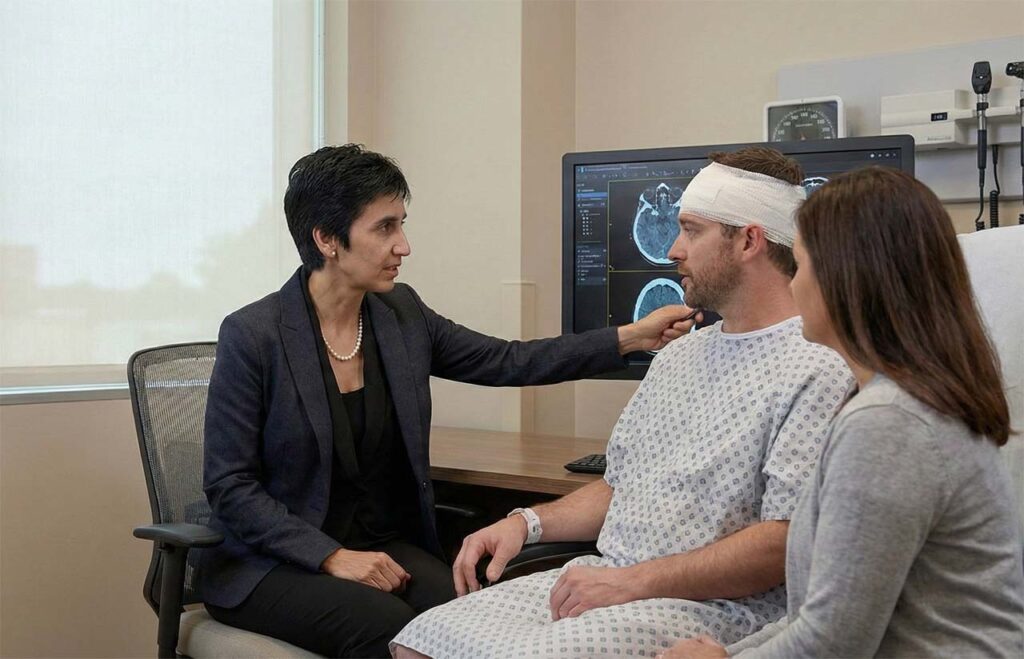
Neurotrauma Care
Assessment and management of traumatic brain and spinal injuries, including acute and delayed presentations.
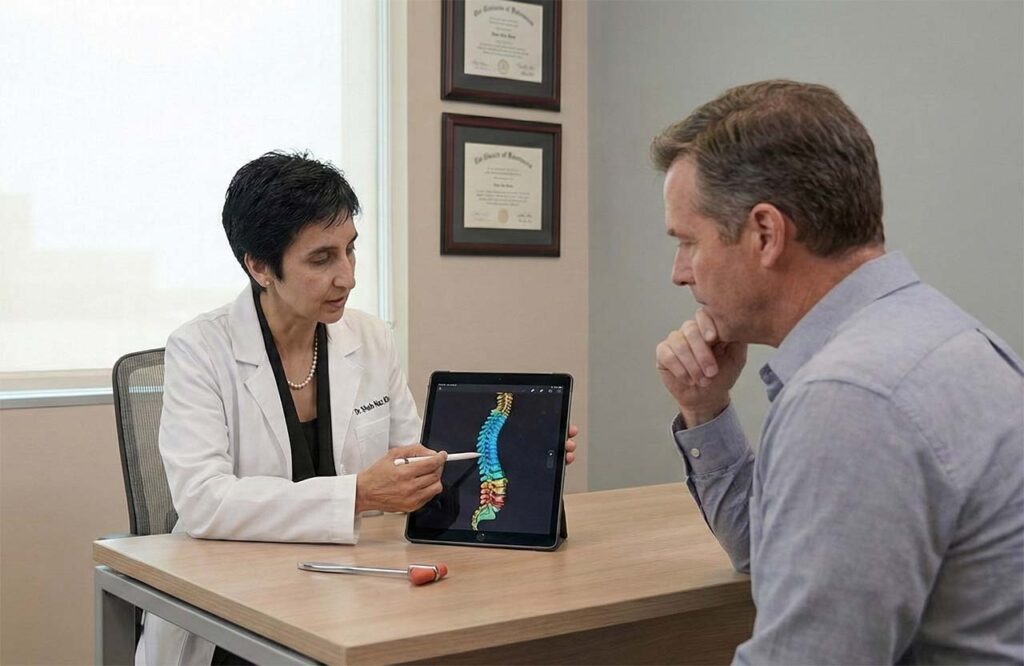
Spine Disorders
Degenerative and compressive conditions of the cervical, thoracic, and lumbar spine, treated with careful surgical judgement.
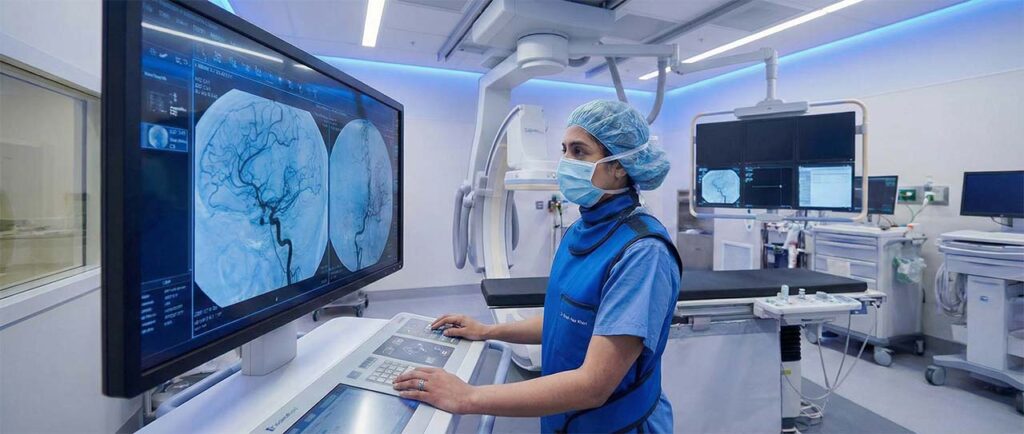
Endovascular Procedures
Minimally invasive techniques used to treat complex vascular conditions of the brain and spine.