
Second Opinion Consultation
Clarity Before You Commit
If you have been given a diagnosis, a treatment plan, or surgery has been recommended, a second opinion can help you confirm the safest next step. We provide careful review, clear explanations, and specialist guidance based on your situation.
Because confidence is part of care
A second opinion is not about starting over. It is about validating the facts, reviewing the options, and making sure your plan matches your condition, your risks, and your goals.
We clarify the decision point
We focus the review on the question that matters most, diagnosis, timing, and whether treatment is truly indicated.
We explain the “why” clearly
You will understand what the finding means, what is uncertain, and which option best fits your situation.
We confirm options and timing
We outline surgical and non-surgical pathways, including when to act, when to monitor, and what comes next.
What to bring to your consultation
Because the website is not HIPPA compliant, please do not upload medical records through online forms. Bring documents to your appointment or arrange delivery through your referring practice.
Bring These Items
- Imaging on CD or USB (MRI, CT, angiography, X-rays when relevant)
- Radiology reports and key test results
- Notes from prior specialists, emergency visits, or hospital stays
- A short symptom timeline and current medication list
What You Will Receive
- A clear explanation of the diagnosis or leading possibilities
- Whether surgery is recommended, optional, or not indicated
- A stepwise plan with the safest next steps and timing
- Practical guidance for continuity with your current care team
A simple, structured process
We keep the process efficient. You will know what was reviewed, what it means, and what to do next.
Book your appointment
Schedule a consultation and tell us the key question you want answered, diagnosis, treatment, or surgery.
Bring imaging and notes
Bring your imaging and records to your visit, or coordinate delivery through your referring practice.
Specialist review and discussion
We review the evidence and explain findings clearly, including options, tradeoffs, and timing.
Plan and next steps
You leave with a practical plan, including what to do now, what to monitor, and what to reconsider.
A clear specialist opinion, designed for continuity
We provide focused reasoning and practical recommendations that support shared decision-making and ongoing care.
What you can expect
A specialist opinion addressing diagnosis, risk stratification, surgical candidacy when relevant, and a stepwise plan for monitoring, further workup, or intervention.
How to refer
Provide imaging, key history, and the clinical question. We tailor the review to the decision point you are facing.
Request a Second Opinion Appointment
If you have a diagnosis, imaging finding, or recommended procedure and want clarity, we can help you confirm the safest plan. Book a consultation and bring your relevant imaging and records.
Common questions
Clear answers to the questions patients and families ask before requesting a second opinion.
Do I need a referral for a second opinion?
Will you repeat my imaging or tests?
Can a second opinion be non-surgical?
What if my diagnosis is uncertain?
Can you coordinate with my current doctor?
Important note
If you are experiencing severe symptoms such as sudden weakness, facial droop, confusion, loss of consciousness, or a severe sudden headache, seek emergency care immediately. Second opinions are designed for non-emergency decision-making and planning.






Expertise You Can Trust for Complex Neurological Care
Comprehensive Brain and Spine Care
Specialized evaluation and treatment for complex neurological conditions affecting the brain and spine.
Coordinated, Patient-Focused Care
Clear guidance and continuity of care from consultation through treatment and follow-up.
Clear Communication and Planning
Thoughtful discussions that help patients understand options and make informed decisions.

Advanced Surgical and Endovascular Expertise
Surgical and minimally invasive endovascular care led by Dr Shah-Naz Khan, MD.
Evidence-Based Clinical Decisions
Treatment recommendations grounded in experience, research, and clinical judgment.
Compassionate, Respectful Care
A calm, supportive approach for patients and families navigating neurological conditions.
Referral and Appointment Inquiries
If you’re considering an appointment or have questions about referrals, our team is happy to help and talk you through the next steps.
Not every patient needs a referral. If one is required in your case, we’ll let you know and guide you through what to do next.
Request an Appointment
Related Areas of Care
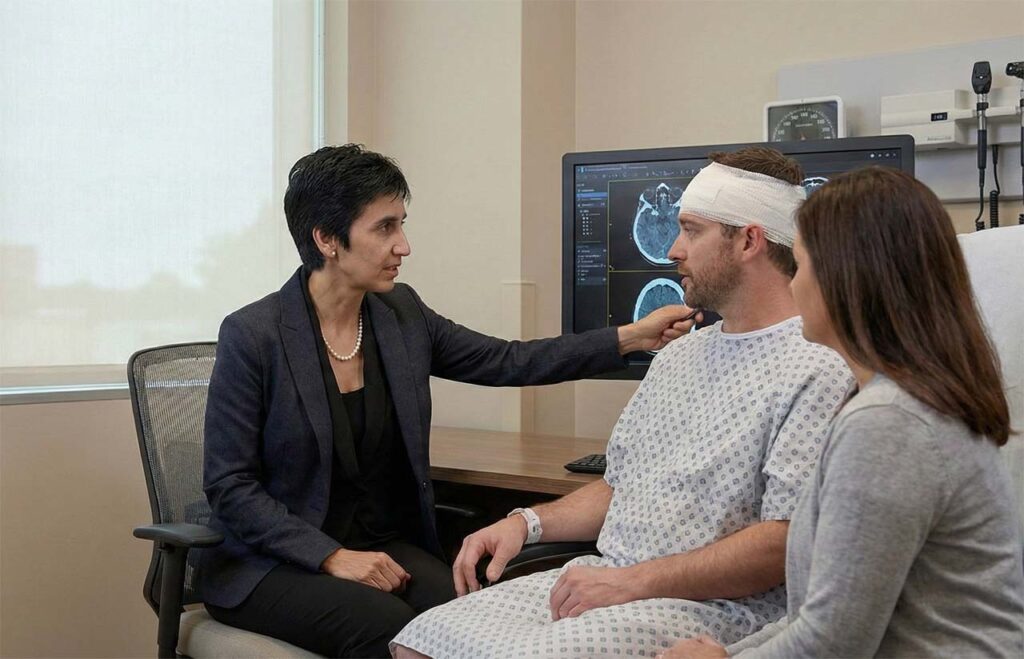
Neurotrauma Care
Assessment and management of traumatic brain and spinal injuries, including acute and delayed presentations.
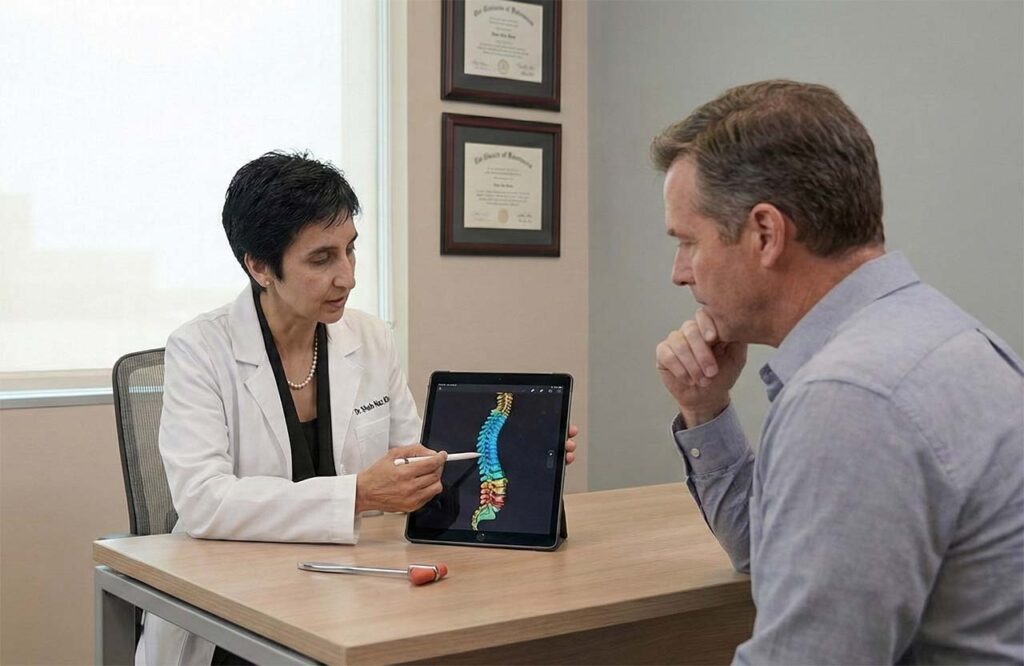
Spine Disorders
Degenerative and compressive conditions of the cervical, thoracic, and lumbar spine, treated with careful surgical judgement.
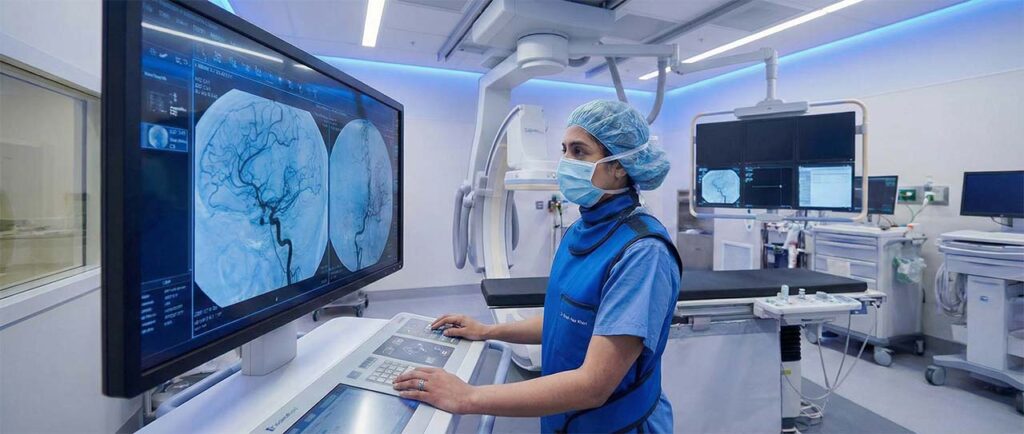
Endovascular Procedures
Minimally invasive techniques used to treat complex vascular conditions of the brain and spine.