
Complex Neurology
Complex Neurology Neurosurgery
Complex neurology addresses neurological conditions that are difficult to diagnose, atypical in presentation, or unresponsive to standard treatment. These may include overlapping disorders, rare conditions, progressive neurological symptoms, or cases where previous evaluations have not provided clear answers.
Symptoms can affect memory, movement, sensation, speech, balance, or overall neurological function. In some cases, patients may have undergone multiple investigations without a definitive explanation. Uncertainty can be distressing. Our role is to bring clarity.
At the Institute of General & Endovascular Neurosurgery, complex cases are approached systematically. We combine advanced neuroimaging, detailed clinical assessment, and collaboration across specialties to understand the full picture. Every diagnosis begins with listening carefully and reviewing prior records thoroughly.
Treatment planning is individualized and evidence-based. Some patients require surgical intervention. Others benefit from coordinated medical management or further diagnostic refinement. The focus is always on safety, accuracy, and long-term neurological health.

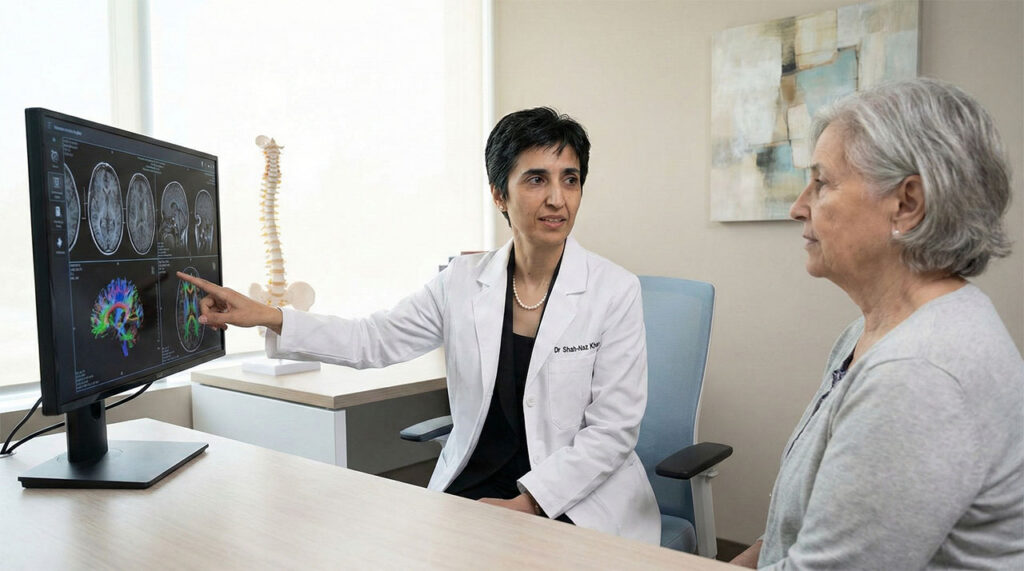
Specialist Care, From Evaluation to Clarity
Complex neurological symptoms often do not follow a predictable pattern. Some patients have evolving symptoms without a clear diagnosis. Others have been evaluated elsewhere and are still searching for answers.
Our approach begins with careful listening and a detailed review of your history, prior imaging, and test results. Advanced neuroimaging and neurological assessment are used to identify patterns that may not be immediately obvious. The goal is not simply to label a condition, but to understand what is happening and why.
When treatment is required, options are explained clearly. In some cases, that may involve surgical intervention. In others, coordinated medical management or further diagnostic refinement may be more appropriate. Every recommendation is grounded in safety, evidence, and long-term neurological health.
Care is coordinated closely with referring physicians and subspecialists to ensure continuity at every stage.
What This Means for You
- Thorough review of prior evaluations and imaging
- Specialist-led neurological assessment using advanced diagnostics
- Clear explanation of findings and next steps
- Individualized treatment planning
- Coordination with your primary and referring doctors
Conditions and Common Symptoms
Complex neurology focuses on symptoms and conditions that are difficult to diagnose, atypical in presentation, or not responding as expected to standard treatment. Care is guided by detailed clinical assessment, advanced diagnostics, and the understanding that the right next step is not always a procedure.
Conditions Commonly Assessed
- Seizure disorders and complex epilepsy presentations
- Movement disorders, including tremor and atypical Parkinsonism
- Peripheral nerve disorders and complex neuropathies
- Spinal cord and myelopathy evaluation when imaging is unclear
- Neuroinflammatory or demyelinating disorders, including MS differentials
- Complex headache syndromes and secondary headache causes
Symptoms That May Prompt Review
- Persistent or progressive numbness, weakness, or tingling
- Unexplained balance issues, dizziness, or frequent falls
- Seizures, blackouts, or episodes that are difficult to classify
- Changes in memory, concentration, speech, or vision
- Tremor, involuntary movements, or altered gait
- Ongoing symptoms despite prior normal or “inconclusive” tests
How Complex Neurology Care Is Delivered
Complex neurological symptoms often require more than a single test or appointment. Our pathway is designed to bring structure to uncertainty by combining detailed history-taking, careful review of prior records, targeted diagnostics, and coordinated decision-making. Each patient is guided through a clear process that prioritises accuracy, safety, and appropriate next steps.
01
Referral and Record Review
Referral information, prior imaging, and relevant medical records are reviewed before consultation. This helps identify what has already been assessed, where questions remain, and which areas require deeper evaluation to avoid unnecessary duplication of testing.
02
Specialist Consultation
During consultation, symptoms are discussed in detail, including timing, progression, and functional impact. Clinical findings and prior results are explained clearly, and a structured plan is outlined to guide further evaluation or management.
03
Targeted Investigation and Planning
Additional investigations are arranged selectively and with purpose. Recommendations may include further diagnostic clarification, coordinated medical management, or surgical consideration when appropriate, based on safety and long-term outcomes.
04
Ongoing Care and Follow-Up
Follow-up appointments review results, monitor progression, and adjust management where needed. Care remains coordinated with referring physicians and other specialists to ensure continuity and consistent long-term neurological support.
What Sets Our Complex Neurology Care Apart
Complex neurological conditions require precision, thoughtful analysis, and careful coordination. Every decision is guided by evidence, experience, and a commitment to clarity for each patient and their family.
Care for Patients and Families
Care is planned with consideration for overall health, symptom burden, daily function, and family impact, not just a neurological label. We prioritise clear communication and steady guidance throughout the process.
Rapid, Measurable
Outcomes
Care is focused on defined clinical goals, careful monitoring, and meaningful outcomes that can be reviewed and adjusted over time. Decisions are based on objective findings and reassessment to guide appropriate next steps.
Advanced Diagnostic
High-resolution neuroimaging and specialised neurological assessment tools support accurate diagnosis. Technology is used deliberately to clarify complex presentations and guide appropriate management.
Transparent Process
Consultations, investigations, and next steps are explained clearly, with practical guidance around coordination, timing, and expectations. Patients understand what is happening and why at each stage.






Expertise You Can Trust for Complex Neurological Care
Comprehensive Brain and Spine Care
Specialized evaluation and treatment for complex neurological conditions affecting the brain and spine.
Coordinated, Patient-Focused Care
Clear guidance and continuity of care from consultation through treatment and follow-up.
Clear Communication and Planning
Thoughtful discussions that help patients understand options and make informed decisions.

Advanced Surgical and Endovascular Expertise
Surgical and minimally invasive endovascular care led by Dr Shah-Naz Khan, MD.
Evidence-Based Clinical Decisions
Treatment recommendations grounded in experience, research, and clinical judgment.
Compassionate, Respectful Care
A calm, supportive approach for patients and families navigating neurological conditions.
Referral and Appointment Inquiries
If you’re considering an appointment or have questions about referrals, our team is happy to help and talk you through the next steps.
Not every patient needs a referral. If one is required in your case, we’ll let you know and guide you through what to do next.
Request an Appointment
Related Areas of Care
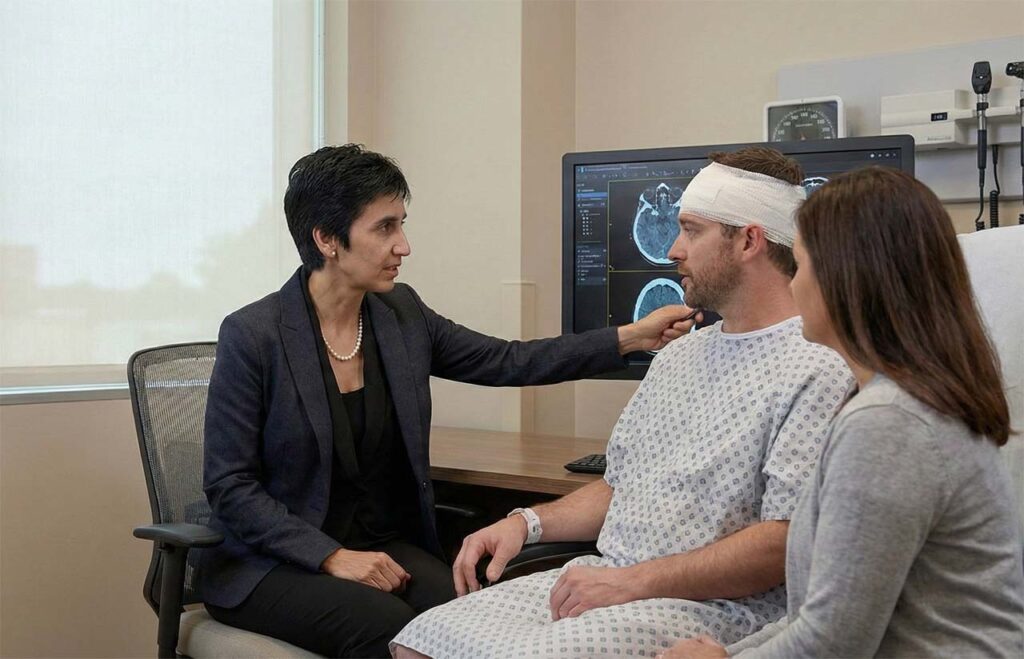
Neurotrauma Care
Assessment and management of traumatic brain and spinal injuries, including acute and delayed presentations.
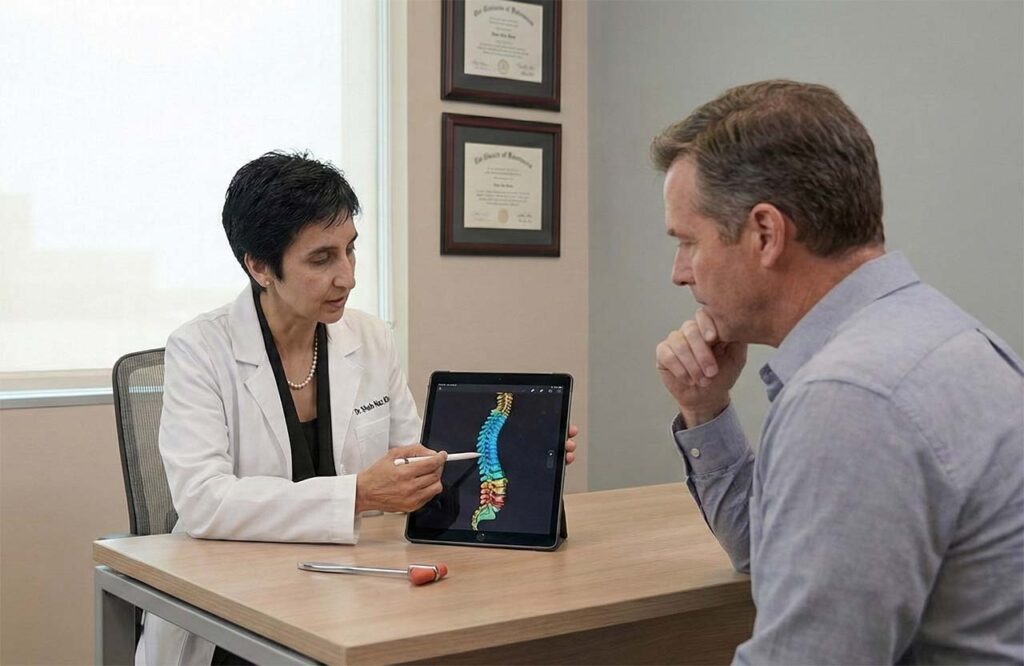
Spine Disorders
Degenerative and compressive conditions of the cervical, thoracic, and lumbar spine, treated with careful surgical judgement.

Endovascular Procedures
Minimally invasive techniques used to treat complex vascular conditions of the brain and spine.