
Brain Tumor Care
Brain Tumor Care
Brain tumor care focuses on careful assessment, clear diagnosis, and thoughtful treatment planning. Tumors of the brain can vary widely in type, behaviour, and impact, and not every diagnosis requires immediate surgery.
At the Institute of General & Endovascular Neurosurgery, care is guided by detailed imaging, clinical expertise, and a clear understanding of each patient’s situation. Treatment options are discussed carefully, with time taken to explain findings and answer questions.
Each patient is evaluated individually to determine the most appropriate approach, which may include monitoring, surgery, or coordination with other specialists. Decisions are made with a focus on safety, function, and long-term quality of life.
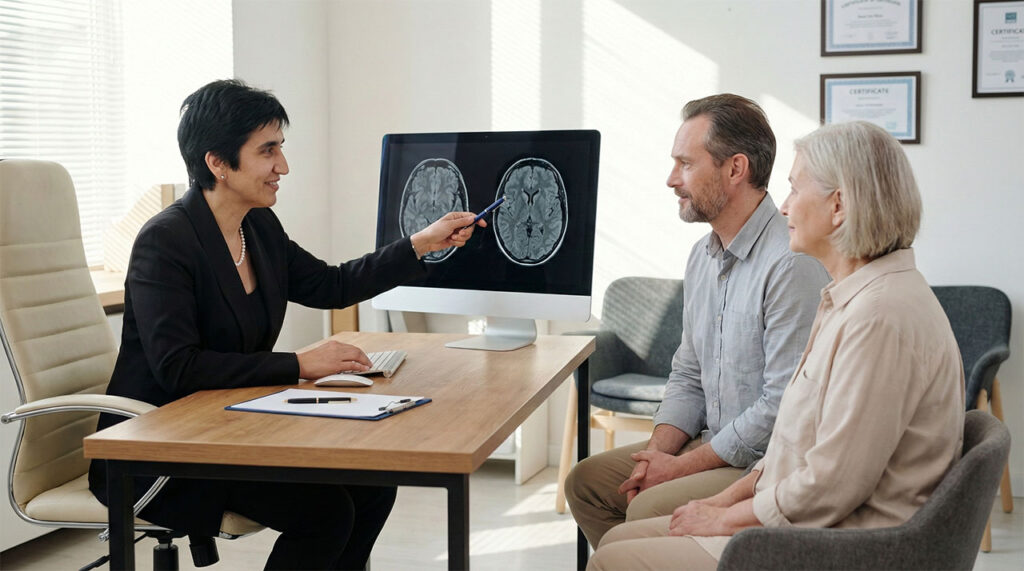
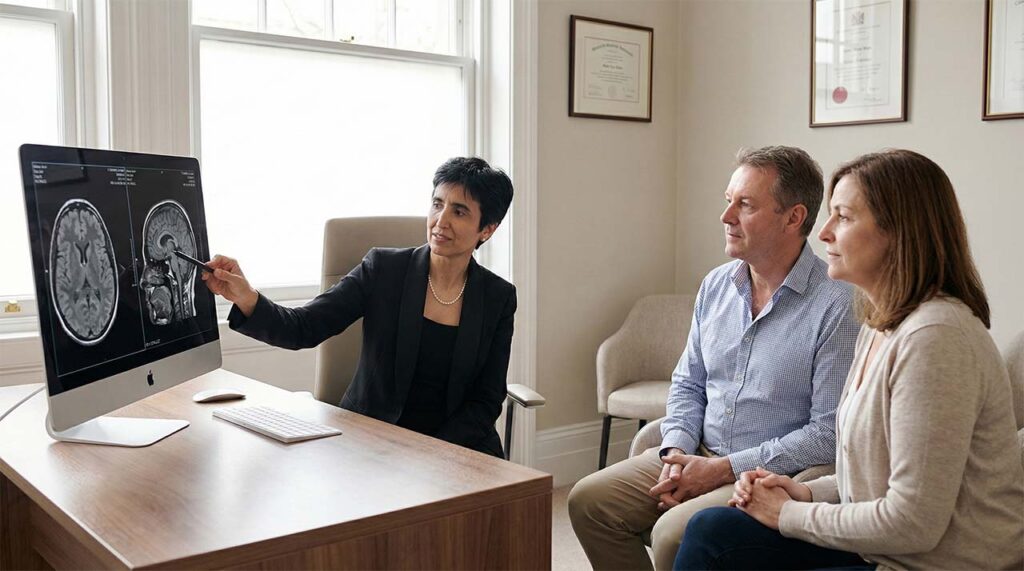
Specialist Care, From Assessment to Treatment
Brain tumor care begins with careful assessment and clear diagnosis. Each patient is evaluated using detailed imaging and a thorough review of symptoms to understand the nature of the tumor and its potential impact.
When treatment is recommended, options are discussed clearly and thoughtfully. Care is planned with attention to safety, timing, and long-term quality of life, and is coordinated closely with referring doctors and hospital teams when needed.
What This Means for You
- Specialist-led assessment using advanced imaging
- Clear explanation of findings and care options
- Coordinated care with your referring doctor
- Focus on safety, function, and long-term outcomes
Types of Brain Tumors and Common Symptoms
Brain tumors vary widely in type, location, and behavior. Care is guided by imaging, clinical judgement, and an understanding that some tumors can be monitored carefully rather than treated immediately.
Tumors Commonly Assessed
- Meningiomas
- Gliomas (including low-grade and high-grade tumors)
- Metastatic (secondary) brain tumors
- Pituitary tumors
- Vestibular schwannomas (acoustic neuromas)
- Other benign brain lesions requiring evaluation
Symptoms That May Prompt Review
- Persistent or worsening headaches
- New seizures or changes in seizure pattern
- Weakness, numbness, or balance changes
- Speech, vision, or hearing changes
- Memory, personality, or concentration changes
- Incidental findings on MRI or CT imaging
How Brain Tumor Care Is Approached
Brain tumor care is not a single decision or a single treatment. It is a step-by-step process focused on understanding the diagnosis, explaining options clearly, and planning care in a way that prioritises safety, function, and quality of life.
01
Understanding the Diagnosis
Existing imaging, reports, and clinical history are reviewed carefully to understand what the findings suggest and how confident the diagnosis is. Attention is also given to symptoms, overall health, and daily function so decisions are based on the full clinical picture, not imaging alone.
02
Specialist Discussion and Explanation
During consultation, imaging findings and symptoms are explained together in clear, plain language. Time is taken to discuss what is known, what may still be uncertain, and how different possibilities could influence next steps and care decisions.
03
Considering the Right Path Forward
Not all brain tumors require immediate treatment, and several options may be appropriate. Recommendations may include monitoring, surgery, or coordinated specialist care, guided by tumor characteristics, functional impact, and individual goals.
04
Ongoing Support and Follow-Up
Care continues beyond the initial plan and may change over time as needs evolve. Follow-up can include repeat imaging, symptom review, and coordination with referring doctors to support continuity, reassurance, and long-term oversight.
What Guides Our Brain Tumor Care
Brain tumor care requires clarity, precision, and careful judgement at every stage. Decisions are guided by imaging, pathology, experience, and a focus on preserving neurological function while supporting each patient and their family.
Care for Patients and Families
Treatment planning considers neurological function, overall health, recovery, and quality of life. Patients and families are supported with clear explanations and guidance from diagnosis through treatment and follow-up care.
Measured Decisions
Care focuses on acting when intervention is needed and monitoring when it is not. Decisions are guided by tumor behaviour, symptoms, imaging findings, and careful assessment of individual risk.
Advanced Surgical Technology
Modern neurosurgical and imaging technologies support accurate diagnosis and safer treatment. These tools allow precise planning and execution tailored to tumor type, location, and complexity.
Clear and Transparent Costs
Costs and billing processes are explained clearly from the beginning of care. Transparency is provided around specialist, hospital, and procedural fees to support informed planning.






Expertise You Can Trust for Complex Neurological Care
Comprehensive Brain and Spine Care
Specialized evaluation and treatment for complex neurological conditions affecting the brain and spine.
Coordinated, Patient-Focused Care
Clear guidance and continuity of care from consultation through treatment and follow-up.
Clear Communication and Planning
Thoughtful discussions that help patients understand options and make informed decisions.

Advanced Surgical and Endovascular Expertise
Surgical and minimally invasive endovascular care led by Dr Shah-Naz Khan, MD.
Evidence-Based Clinical Decisions
Treatment recommendations grounded in experience, research, and clinical judgment.
Compassionate, Respectful Care
A calm, supportive approach for patients and families navigating neurological conditions.
Referral and Appointment Inquiries
If you’re considering an appointment or have questions about referrals, our team is happy to help and talk you through the next steps.
Not every patient needs a referral. If one is required in your case, we’ll let you know and guide you through what to do next.
Request an Appointment
Related Areas of Care
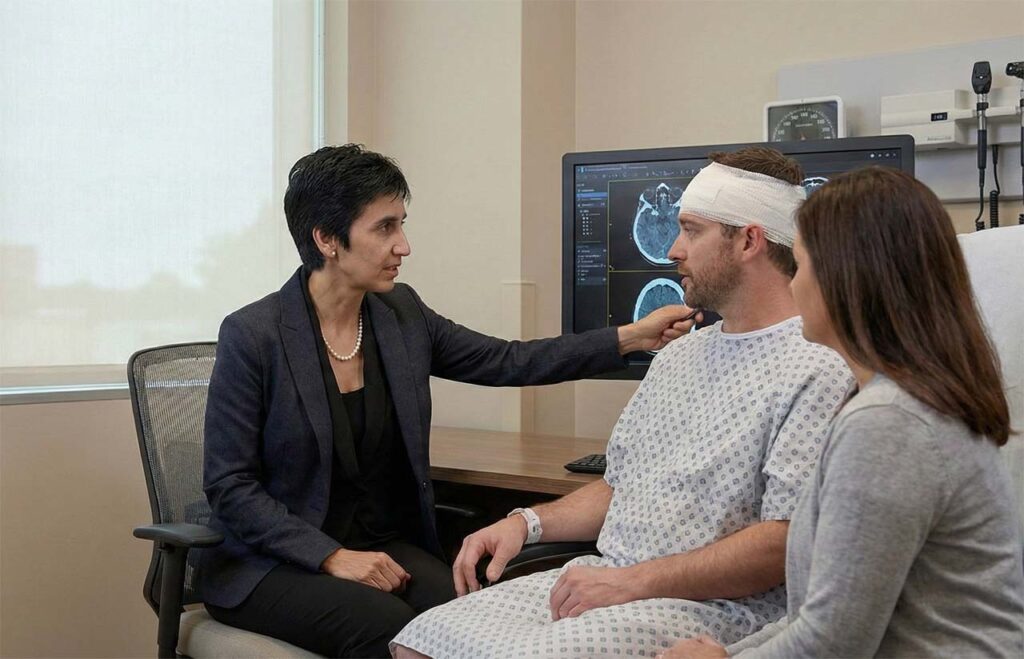
Neurotrauma Care
Assessment and management of traumatic brain and spinal injuries, including acute and delayed presentations.
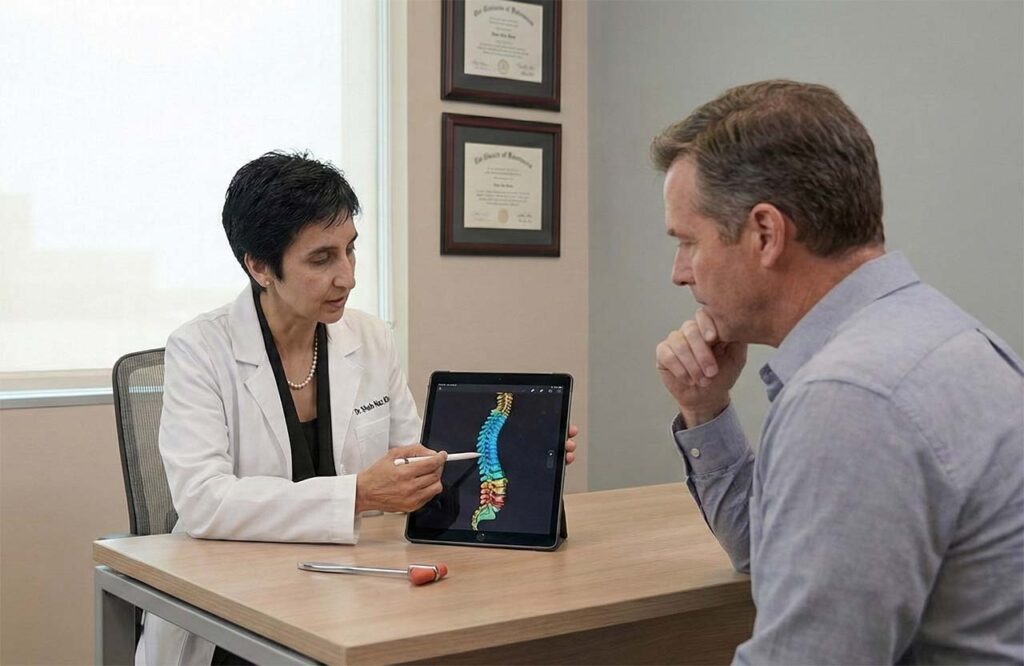
Spine Disorders
Degenerative and compressive conditions of the cervical, thoracic, and lumbar spine, treated with careful surgical judgement.
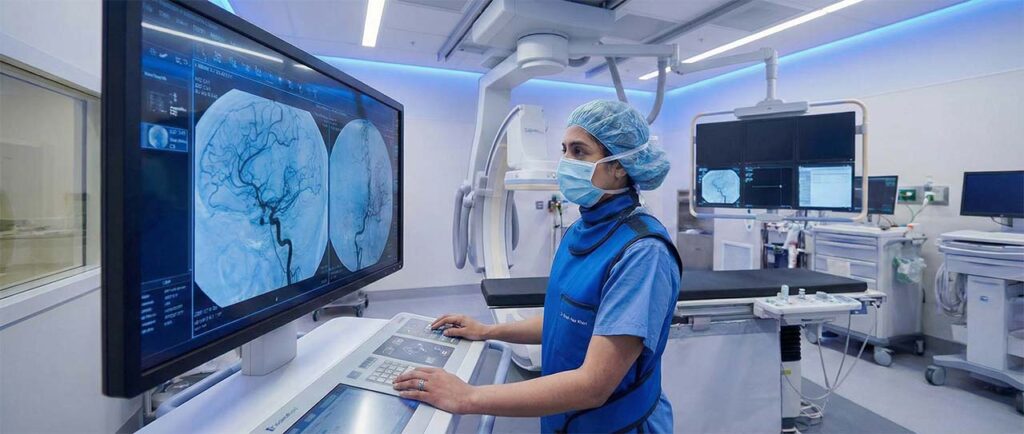
Endovascular Procedures
Minimally invasive techniques used to treat complex vascular conditions of the brain and spine.