
By Dr Shah-Naz Khan, M.D., F.R.C.S.C., F.A.A.N.S.
Understanding Brain Aneurysm Rupture
When most people hear the word “stroke,” they think of a blocked artery in the brain. This type of stroke can cause weakness on one side of the body, speech difficulties, or facial drooping.
However, not all strokes are caused by blockage.
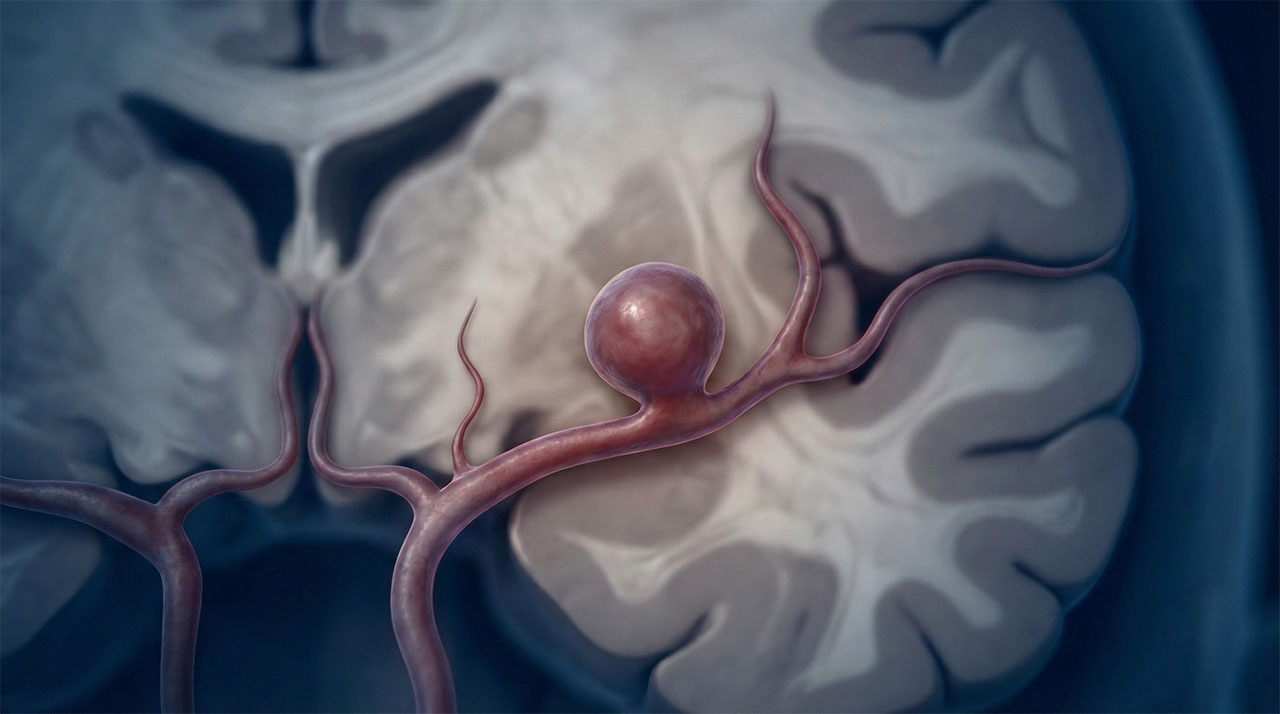
A brain aneurysm rupture is another serious type of stroke. Instead of a blocked vessel, the problem occurs when a weakened artery wall balloons outward and bursts, causing bleeding in or around the brain. This is known as a haemorrhagic stroke.
For patients and families, this distinction matters. The cause is different. The urgency is different. The treatment approach is different.
What Is a Brain Aneurysm?
A brain aneurysm is a weak area in the wall of an artery. Over time, pressure from blood flow can cause that weakened area to bulge outward, much like a small balloon.
Many aneurysms cause no symptoms and are discovered incidentally during imaging performed for other reasons.
If an aneurysm ruptures, it leads to sudden bleeding around the brain, called a subarachnoid haemorrhage. This is a life-threatening emergency that requires immediate specialist care.
Who Is at Risk?
Most aneurysms are not present at birth. They typically develop over time.
Risk factors may include:
- High blood pressure
- Smoking
- Family history of aneurysysm
- Female gender
- Age
Lifestyle factors, particularly smoking and uncontrolled blood pressure, significantly increase the risk of aneurysm formation and rupture.
What Happens When an Aneurysm Ruptures?
A ruptured aneurysm often causes:
- Sudden, severe headache
- Neck stiffness
- Nausea or vomiting
- Sensitivity to light
- Loss of consciousness in severe cases
Not everyone reaches hospital in time. Early recognition and rapid treatment are critical.
The priority after rupture is to secure the aneurysm as quickly as possible to prevent re-bleeding, which can be devastating.
How Are Brain Aneurysms Treated?
Treatment decisions depend on multiple factors:
- Size of the aneurysm
- Shape
- Location
- Patient age
- Overall health
- Whether rupture has already occurred
Small aneurysms in certain locations may be monitored. Others require intervention.
There are two main treatment approaches:
1. Open Microsurgical Clipping
This involves a craniotomy, where the skull is temporarily opened and a small clip is placed at the base of the aneurysm to stop blood flow into it.
2. Minimally Invasive Endovascular Treatment
In many cases, treatment can be performed without open surgery. A small catheter is inserted through an artery in the groin and guided to the brain. Devices such as coils or flow diverters are placed inside the aneurysm to seal it from within.
This approach avoids opening the skull and can reduce recovery time in appropriate patients.
The choice of treatment is highly individualised.
Specialist Experience Matters
Successful aneurysm management requires:
- Advanced imaging
- Technical surgical skill
- Careful risk assessment
- Intensive post-treatment monitoring
As part of the Institute of Neurosurgery, Dr Khan specialises in the evaluation and treatment of brain aneurysms. Every case is assessed carefully to determine the safest and most appropriate course of action.
The goal is always the same: secure the aneurysm, protect the brain, and minimise long-term impact.
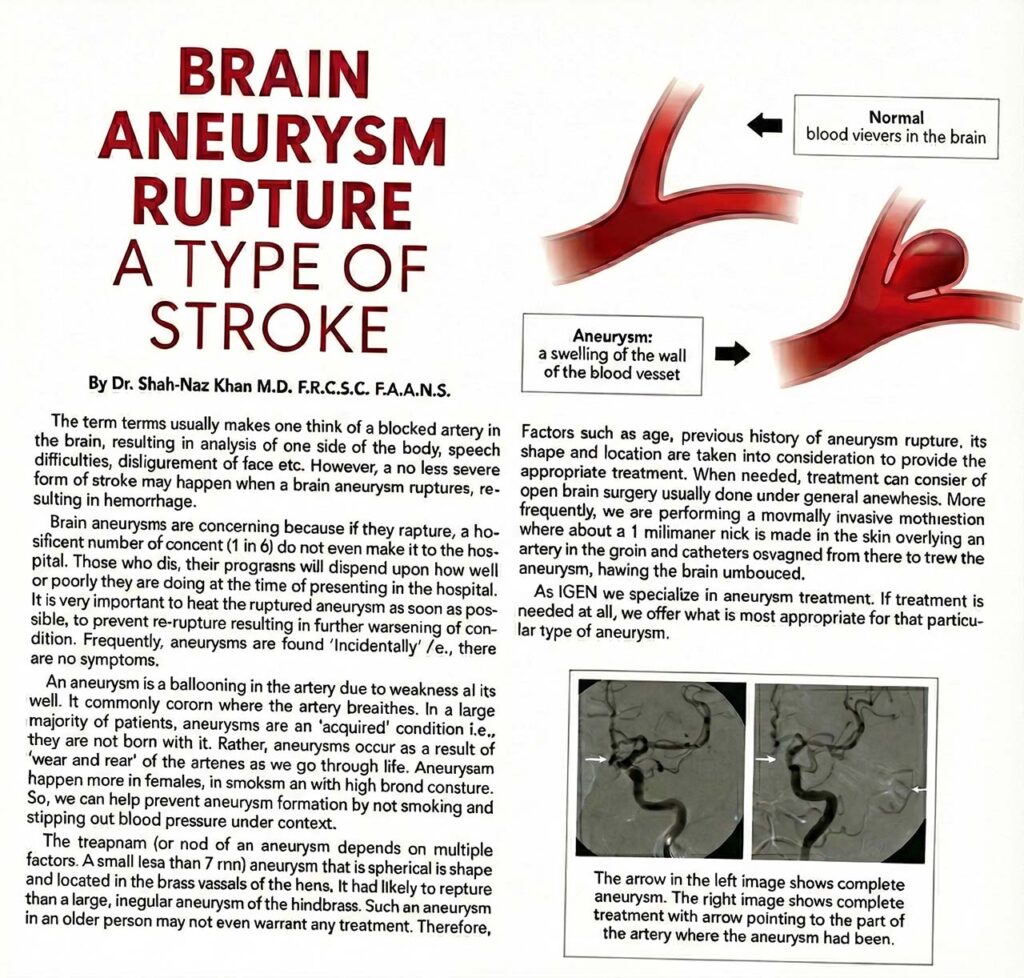
Original Publication
The article below was originally authored by Dr Shah-Naz Khan and published as part of an educational series on cerebrovascular conditions.
If you have been diagnosed with a brain aneurysm or have been told you are at risk, you may wish to speak with a specialist about your options.
Have questions about a brain aneurysm or aneurysm rupture?
If you or a loved one has been diagnosed with a brain aneurysm, or you are recovering after a haemorrhagic stroke, the next step is understanding what it means for you and what options are available. Our team can help you get clear answers and guide you to the right specialist pathway.
Request an AppointmentIf this is an emergency, call 911 or go to your nearest emergency department immediately.
Brain aneurysm rupture FAQs
Is a ruptured brain aneurysm a stroke?
Yes. A rupture causes bleeding in or around the brain, which is a haemorrhagic stroke. This is different from an ischaemic stroke, which is caused by a blocked artery.
What are the warning signs of an aneurysm rupture?
The most common sign is a sudden, severe headache that comes on quickly. Some people also experience nausea, vomiting, neck stiffness, sensitivity to light, confusion, or loss of consciousness. If you suspect rupture, seek emergency care immediately.
Can a brain aneurysm exist without symptoms?
Yes. Many aneurysms are found incidentally during imaging performed for other reasons. Whether treatment is recommended depends on the aneurysm’s size, shape, location, and your overall risk profile.
How is a brain aneurysm treated?
Treatment is individualised. Options may include open microsurgical clipping or minimally invasive endovascular techniques such as coiling or flow diversion. In some cases, careful monitoring is appropriate.
What happens after treatment?
Recovery varies depending on whether rupture occurred and the treatment approach. Follow-up imaging and specialist review are commonly used to confirm the aneurysm is secured and to guide rehabilitation if needed.