
Cerebrovascular Neurosurgery
Cerebrovascular Neurosurgery
Cerebrovascular neurosurgery focuses on conditions that affect the blood vessels of the brain and spinal cord. These conditions can disrupt normal blood flow, increase the risk of stroke or hemorrhage, and in some cases become life-threatening without timely treatment.
At the Institute of General & Endovascular Neurosurgery, care is centered on precise diagnosis, thoughtful decision-making, and individualized treatment planning.
Each patient is evaluated carefully to determine the safest and most effective approach, whether surgical, endovascular, or conservative management.

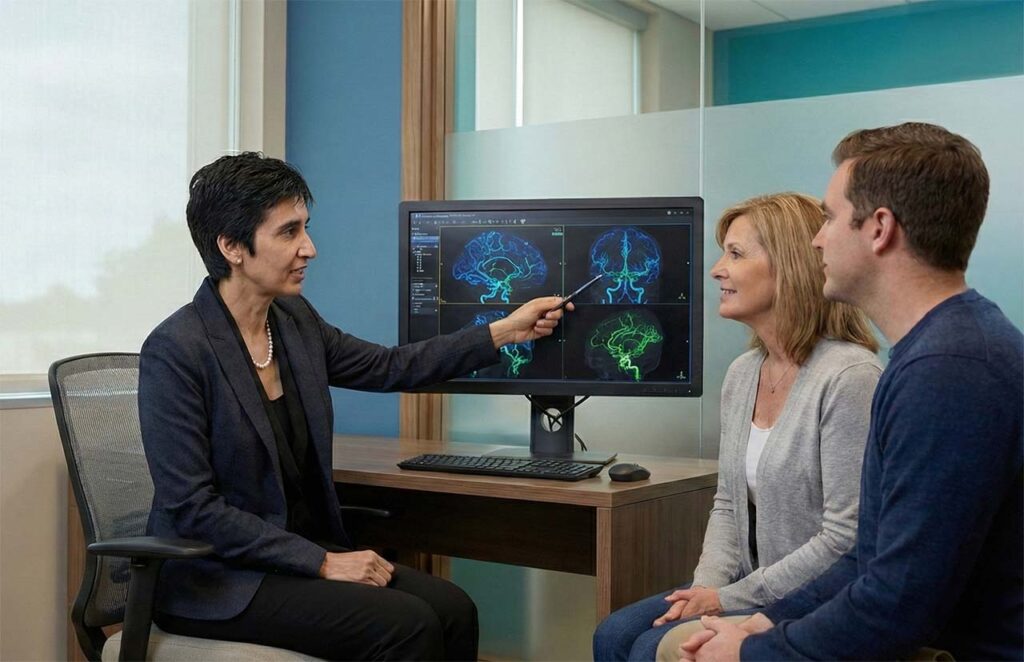
Specialist Care, From Assessment to Treatment
Conditions affecting the blood vessels of the brain require careful evaluation and experienced clinical judgment. Each patient is assessed using advanced imaging and a detailed review of symptoms to determine the most appropriate course of care.
When treatment is needed, options are discussed clearly and thoughtfully, with a focus on safety, timing, and long-term outcomes. Care is coordinated closely with referring physicians and hospital teams to ensure continuity at every stage.
What This Means for You
- Specialist-led evaluation using advanced imaging
- Clear explanation of findings and treatment options
- Coordinated care with your referring doctor
- Focus on safety, timing, and long-term outcomes
Conditions and Common Symptoms
Cerebrovascular neurosurgery focuses on conditions affecting the blood vessels of the brain and spinal cord. Care is guided by imaging, clinical judgement, and an understanding that not every diagnosis requires surgery.
Conditions Commonly Assessed
- Brain aneurysms
- Arteriovenous malformations (AVMs)
- Dural arteriovenous fistulas
- Cavernous malformations
- Carotid and intracranial artery disease
- Hemorrhagic stroke and vascular injury
Symptoms That May Prompt Review
- Sudden or severe headache or migraine
- New weakness, numbness, or facial droop
- Speech or vision changes
- Seizures linked to vascular causes
- Transient ischemic attack (TIA)
- Incidental findings on brain imaging
How Cerebrovascular Care Is Delivered
Care for cerebrovascular conditions requires careful evaluation, precise diagnosis, and coordinated decision-making. Each patient is guided through a structured process designed to ensure timely assessment, appropriate treatment planning, and continuity of care.
01
Referral & Initial Review
Medical records and imaging are reviewed to understand the nature of the cerebrovascular condition and determine whether specialist assessment is required.
02
Specialist Consultation
A detailed consultation is conducted to discuss symptoms, review diagnostic findings, and outline potential management or treatment pathways.
03
Treatment Planning
Where appropriate, a personalised treatment plan is developed, which may include monitoring, endovascular intervention, surgery, or multidisciplinary care.
04
Ongoing Care & Follow-Up
Patients are supported through follow-up care and coordination with referring doctors to ensure continuity and long-term management of their condition.
What Sets Our Care Apart
Care is delivered with a clear focus on precision, safety, and long-term outcomes. Every decision is guided by evidence, experience, and a commitment to doing what is right for each individual patient and their family.
Care for Patients and Families
Treatment is planned with consideration for overall health, recovery, and family impact, not just the neurological condition.
Rapid, Measurable Outcomes
Care is focused on timely intervention, clear clinical goals, and outcomes that can be assessed, monitored, and adjusted as needed.
Advanced Hospital Technology
Advanced surgical and endovascular technology, delivered with a personalized, boutique approach to care.
Clear and Transparent Fees
Costs and billing processes are explained clearly, with transparency around hospital, procedural, and specialist fees.






Expertise You Can Trust for Complex Neurological Care
Comprehensive Brain and Spine Care
Specialized evaluation and treatment for complex neurological conditions affecting the brain and spine.
Coordinated, Patient-Focused Care
Clear guidance and continuity of care from consultation through treatment and follow-up.
Clear Communication and Planning
Thoughtful discussions that help patients understand options and make informed decisions.

Advanced Surgical and Endovascular Expertise
Surgical and minimally invasive endovascular care led by Dr Shah-Naz Khan, MD.
Evidence-Based Clinical Decisions
Treatment recommendations grounded in experience, research, and clinical judgment.
Compassionate, Respectful Care
A calm, supportive approach for patients and families navigating neurological conditions.
Referral and Appointment Inquiries
If you’re considering an appointment or have questions about referrals, our team is happy to help and talk you through the next steps.
Not every patient needs a referral. If one is required in your case, we’ll let you know and guide you through what to do next.
Request an Appointment
Related Areas of Care
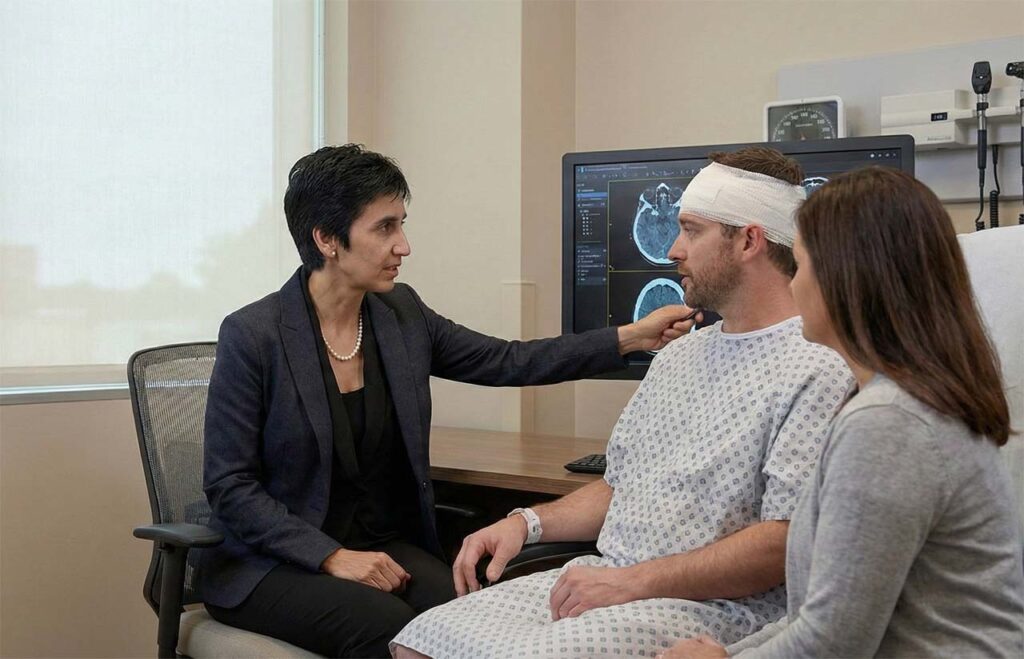
Neurotrauma Care
Assessment and management of traumatic brain and spinal injuries, including acute and delayed presentations.
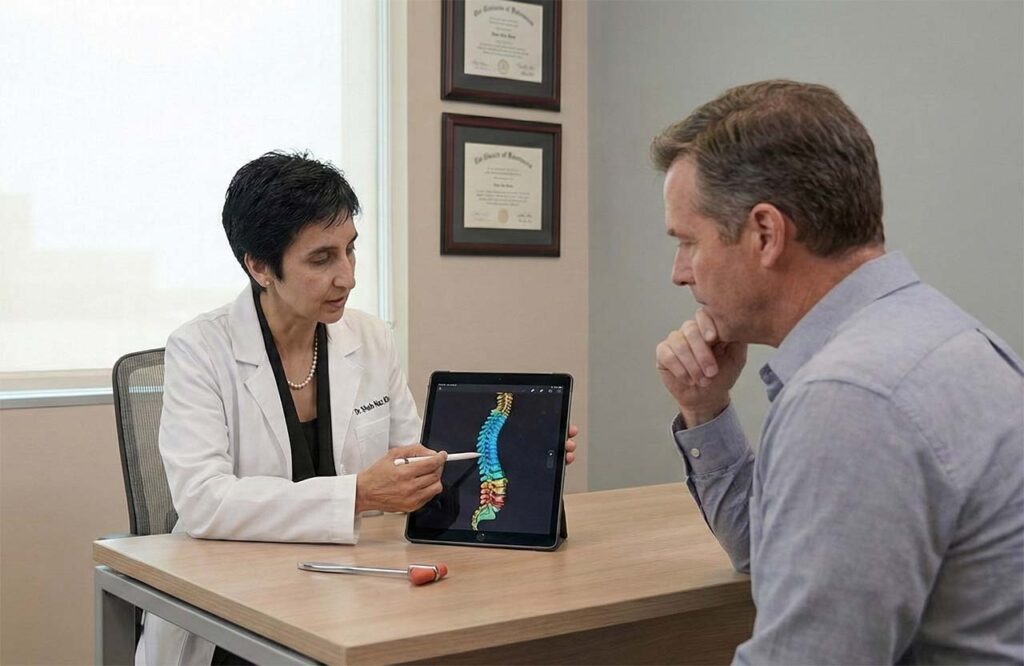
Spine Disorders
Degenerative and compressive conditions of the cervical, thoracic, and lumbar spine, treated with careful surgical judgement.

Endovascular Procedures
Minimally invasive techniques used to treat complex vascular conditions of the brain and spine.